Synopsis
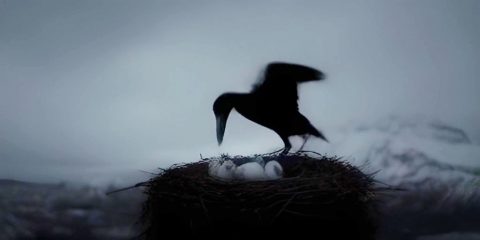
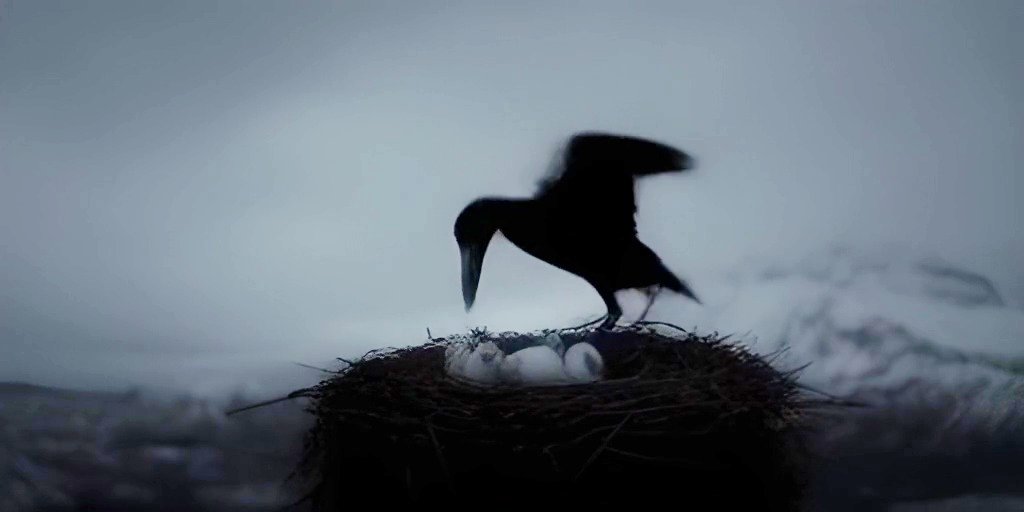
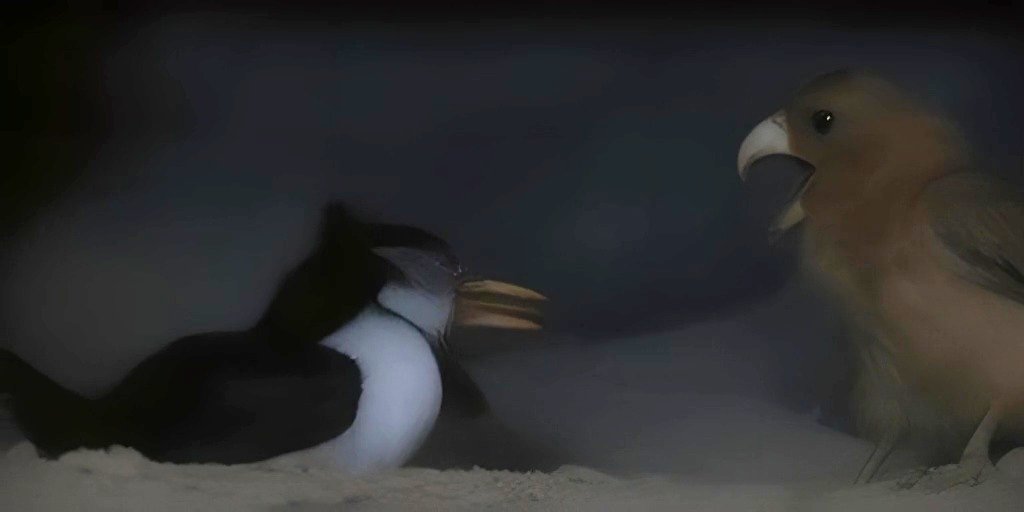
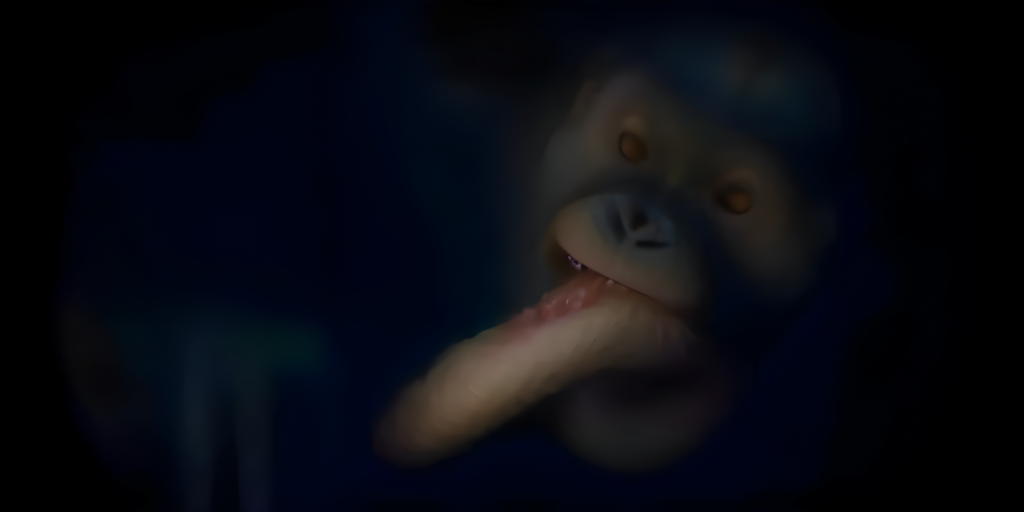
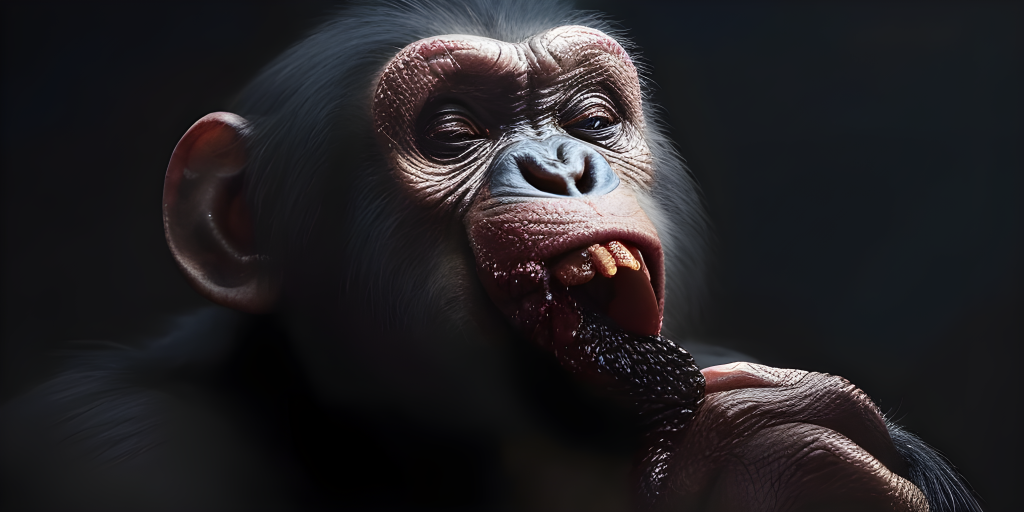
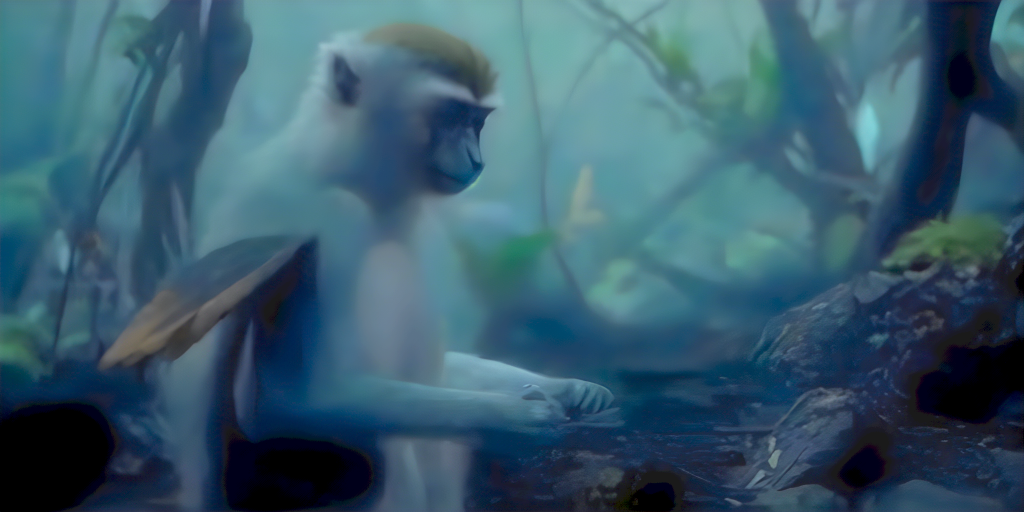
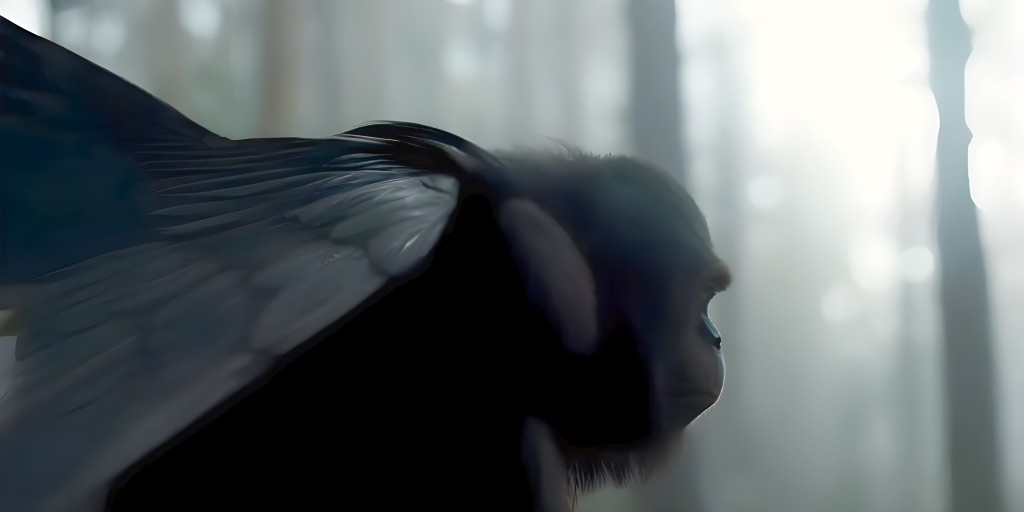
„The Marvelous Voyage to the Land of Monkey-Birds“ (2025) is an AI generated short film conceived as the trailer to a pseudo-documentary expedition into the unknown. Drawing on the visual and narrative language of 18th- and 19th-century discovery journeys, the film follows a paraglider who crosses snow-covered mountain ranges and lands in a hidden, uncharted land. There, he encounters previously unknown creatures—cave birds, winged monkeys, fog wolves, bears, and other beings whose forms resist clear classification. These animals exist only fleetingly: they emerge, vanish, and leave behind a sense of instability. In the brief moments when they appear, the uncanny nature of their generated existence reveals itself through their gaze, blurring the boundary between discovery, fiction, and disappearance.
Concepts:
- Questioning Discovery and Documentation
The film presents its “discovery” of strange creatures as if they come from a real, unknown place. At the same time, it becomes clear that these beings are not found in the world but created within the film itself—through cinematic techniques or digital processes that do not point to anything outside the artwork. This shifts the meaning of discovery. Instead of uncovering something that already exists on its own, discovery becomes an act of making something appear.
In traditional documentaries or natural history films, discovery usually means encountering something that exists whether we observe it or not. Images are treated as proof: they can be checked, recorded, and placed into a shared understanding of reality. In this film, however, the creatures exist only through the images that show them. They appear briefly, disappear again, and never fully stabilize. This draws attention to how strongly our act of seeing depends on the medium itself—especially when the medium is also producing what we see. It raises a simple but unsettling question: are we looking at independent beings, or at images created by a system that only imitates discovery?
This also unsettles ideas of evidence and authenticity. Images have long been trusted as signs that something really existed in front of a camera. AI-generated or digitally created images can look just as convincing while having no real-world reference at all. The film makes this tension visible through its ghostlike animals, whose presence is tied entirely to the camera. They exist only as long as they are shown, and vanish the moment the image fades, leaving open whether anything was ever truly “there” to begin with.
- Documentation and Control
The pseudo-documentary form of the film closely resembles the style of historical expedition reports, which often presented themselves as neutral records of discovery while quietly supporting systems of control and domination. In the 18th and 19th centuries, explorers, scientists, and travelers described distant lands and unfamiliar life forms as objects to be studied, named, and classified. This way of seeing turned exploration into a form of knowledge production that also justified expansion, ownership, and exploitation.
By adopting this format, the film recalls how authority was created through documentation. The calm tone, the sense of observation, and the framing of the unknown as something to be revealed all echo earlier narratives in which the act of recording was treated as proof of legitimacy. To document was to claim understanding, and to claim understanding was often the first step toward control.
At the same time, the film exposes the instability behind this tradition. Its creatures resist clear definition, appear only briefly, and never fully submit to classification. This undermines the confidence of the documentary voice and reveals how fragile and constructed such narratives of exploration always were. What once appeared as objective knowledge is shown to be a performance—one that shaped power relations as much as it described the world.